


Love All, Everywhere, Like Jesus
During our Sunday worship service, you can listen in any language starting at 10:00 am every week.
Instructions below.


News & Updates

Our high school students shared an incredible week at Young Life’s Malibu Club in Canada! Surrounded by breathtaking mountains and water, they enjoyed zip-lining, waterfront adventures, themed events, great meals, and lots of laughter. Through it all, friendships deepened and students had meaningful opportunities to experience the life-changing love of Jesus.
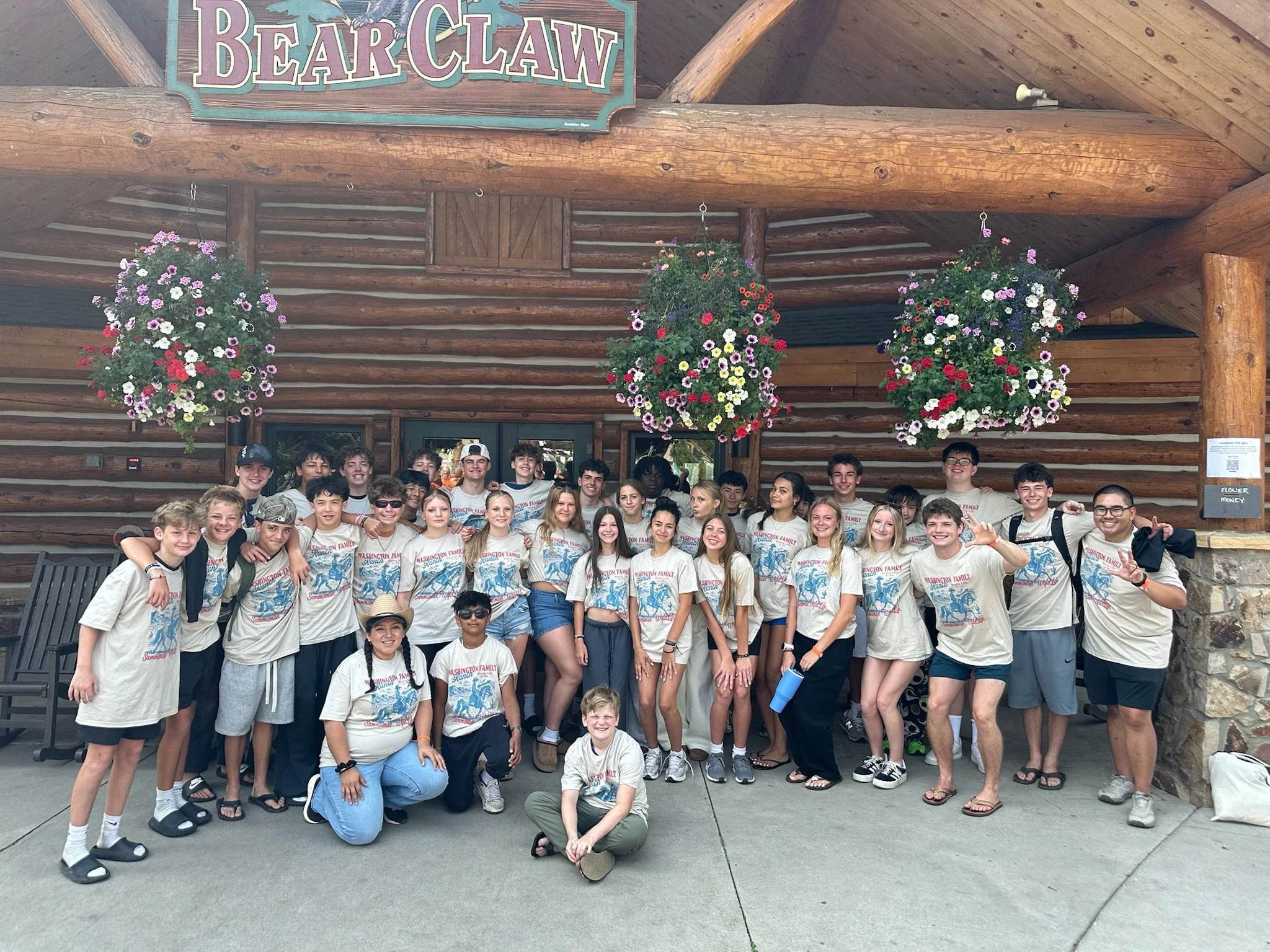
Our middle school students had an unforgettable week at WyldLife camp at Crooked Creek Ranch in Colorado! Surrounded by beautiful mountain scenery, they enjoyed horseback riding, hilarious theme days, exciting adventures, and plenty of time with friends and leaders. Most importantly, they grew closer to one another and discovered more about the life-changing love of Jesus.
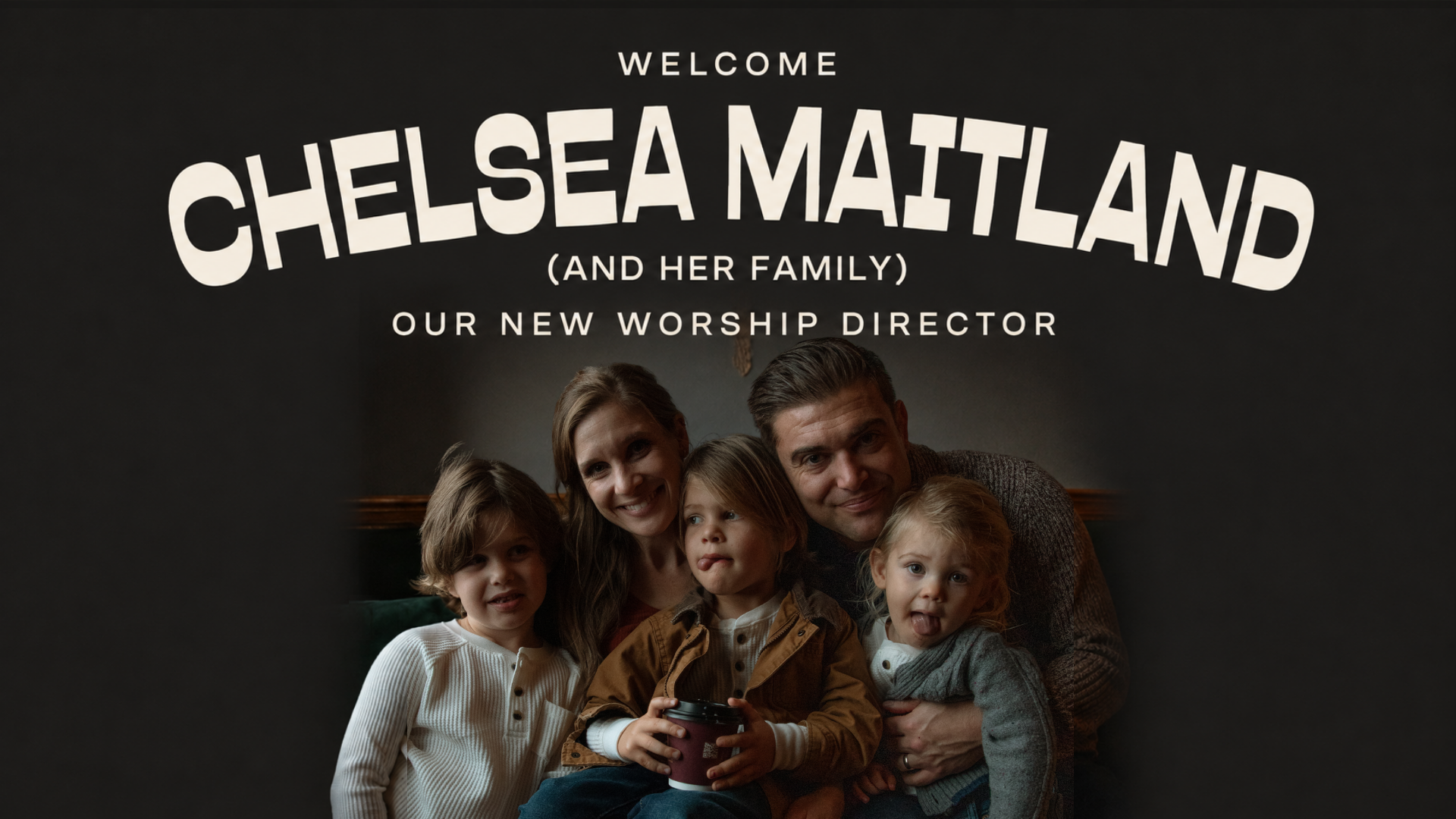
SPC introduces Chelsea as the new director of worship and invites the congregation to meet her and her family after the service. Chelsea shares her family members—husband Philip, sons Owen, Micah, and Hudson, and her mom Kristen—and describes coming from Our Savior’s Lutheran Church in Everett, where she led a short worship service, community event, and meal for families, along with prior worship-leading roles at Redwood Falls Church, Bethany Community Church, and Bellevue Presbyterian Church. She explains how a Facebook post seeking Sunday coverage connected her to SPC, leading to monthly worship leadership, and how, after sensing God’s timing to leave her job on July 1 without a plan, she was invited two days later to join the team.
Rev. Jake Medcalf taught from Matthew 25 in the “The Chosen” series, setting the parable of the sheep and goats within Jesus’ final days after the triumphal entry, the temple cleansing, and the Olivet Discourse. He noted how The Chosen depicted the scene and then emphasized that parables make one central point: the “inheritance” of the kingdom is given, not earned. The list of feeding, welcoming, clothing, visiting the sick and imprisoned was described as fruit that naturally flows from knowing Jesus, not a prescriptive checklist. He explained “righteous” using the Hebrew idea of tsaddiq—those who disadvantage themselves for the community—and contrasted religion (“I obey, therefore I’m accepted”) with the gospel (“I’m accepted… therefore I obey”). He invited listeners to run a spiritual “diagnostic,” lean into knowing Jesus through practices like scripture, solitude, silence, Sabbath, and prayer, and respond in worship.
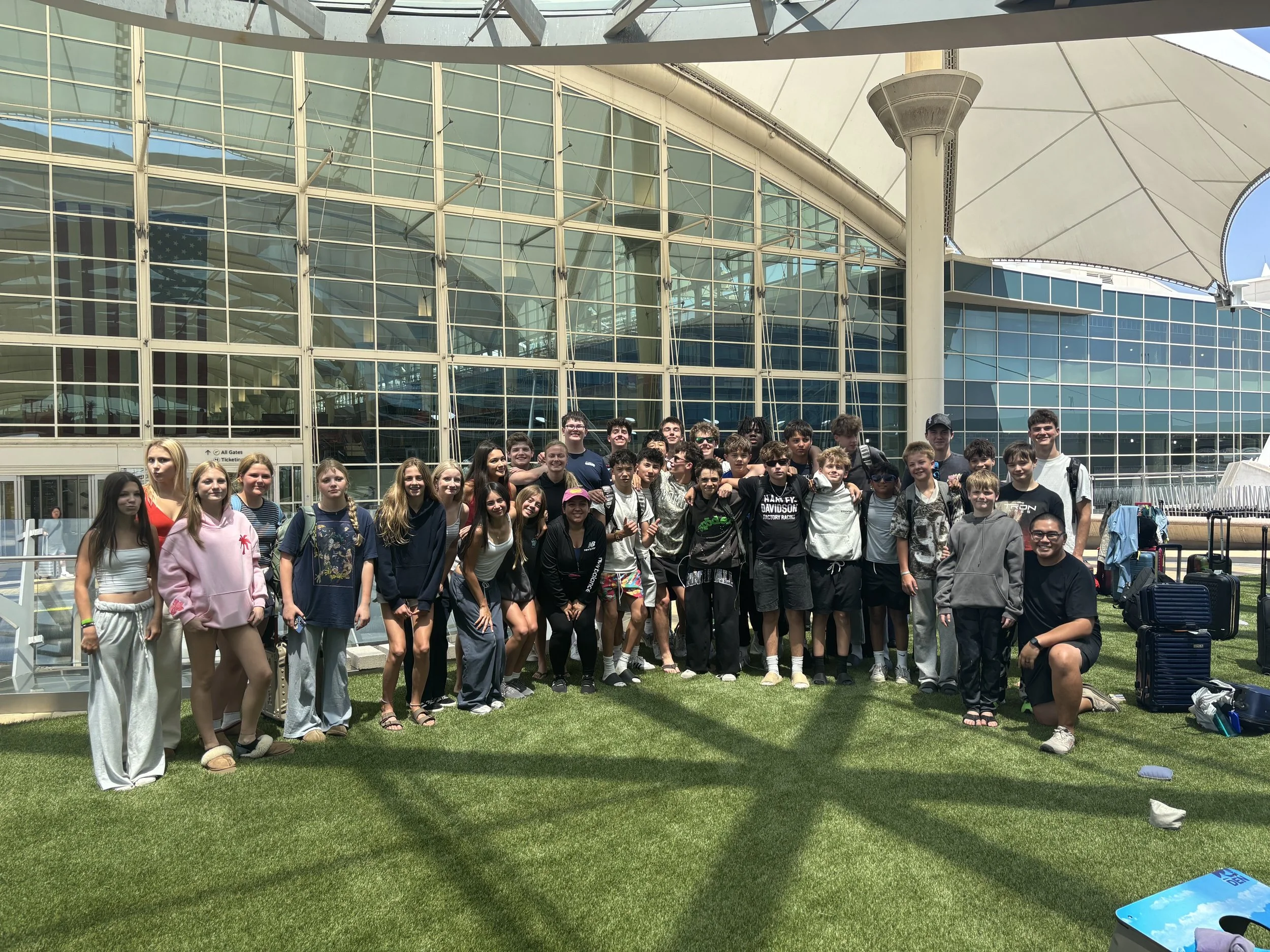
Our middle school kids are off to camp! Here are some photos from their journey getting there including their second flight going into Denver for Middle School Summer camp !
Let's keep them in our prayers, as they're prepared and ready for a fun Holy Spirit filled week ✈️🤩
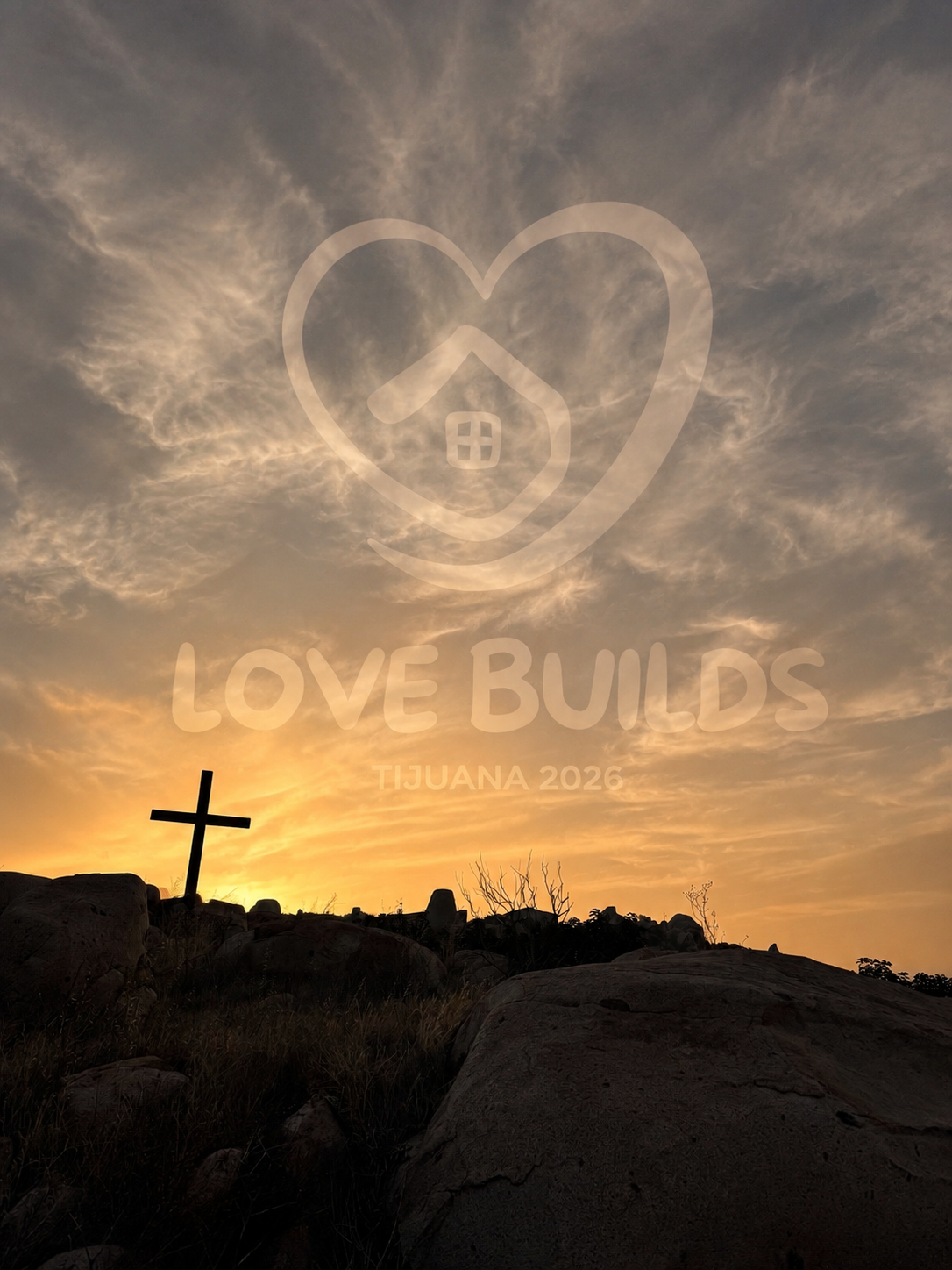
This summer, God did something extraordinary.
Thirty-one high school students and young adults from Sammamish Presbyterian Church traveled to Tijuana and joined nine youth from Tijuana, leaders from DOXA and its local ministry partners, and three families whose new homes became the center of our shared work and worship. Together, we discovered that while we came to build houses, God was building something much greater: friendships, faith, hope, and a community united by His love.
Join us as we celebrate the stories of TJ26: Love Builds. Through photos, videos, and personal testimonies, you will hear how God worked through students, adult leaders, our Mexican partners, and the families we had the privilege to serve. You will also see how this experience transformed not only those who received homes, but everyone who took part.
Whether you prayed, gave, served, or simply want to hear what God has been doing through this remarkable partnership, we invite you to celebrate with us as we give thanks for all that God did.
Love Builds was not simply the theme of the trip. It became the story God wrote through people on both sides of the border.

Thank you to everyone who joined us for the Sammamish Block Party! It was a wonderful evening as families, neighbors, and community partners gathered for food, games, music, and meaningful conversations. We’re grateful to everyone who volunteered, attended, and helped create such a welcoming atmosphere. A special thank you to the Sammamish Chamber of Commerce and our community partners for making this celebration possible!

In this message from the “The Chosen” series, Rev. Jake Medcalf taught from Mark 2:3-11, setting the scene in Capernaum where Jesus taught in a crowded house and confronted questions about His authority. Reflecting on the healing of the paralyzed man lowered through the roof, he explored “paralysis” as losing strength or being unable to move forward, connecting it to fear, shame, guilt, grief, and pain. He highlighted the unique role of the friends’ faith—calling the church to “hold hope” for others and carry them toward Jesus. He emphasized Jesus’ declaration, “Your sins are forgiven,” as a visible healing that revealed an invisible authority to forgive sins.
Rev. Jake Medcalf reflected on Matthew 8’s healing of a man with leprosy, highlighting Jesus’ willingness to heal and restore. After celebrating VBS, he invited the congregation and online viewers to text prayer needs, then read requests ranging from mental and physical health struggles to family, vocation, addiction, hospice, and caregiving, and led a communal prayer. He connected the leper’s isolation and shame to a “leprosy of the soul” marked by anxiety, bitterness, unforgiveness, and control, and emphasized that Jesus reaches through stigma with touch, grace, and mercy. He acknowledged the mystery of unanswered physical healing while framing miracles as foretaste of the coming kingdom, and called the church to be a healing community—wounded healers and Jesus’ hands and feet—offering prayer during worship.
Rev. Jake Medcalf continued SPC's The Chosen sermon series and spoke on that the world’s greatest need amid war, refugees, poverty, injustice, and local crises like anxiety in affluent, digitally distracted families was whether the 2.4 billion people who identify as Christians would actually become apprentices of Jesus. Using the woman-at-the-well scene from The Chosen, he highlighted how Jesus intentionally went through Samaria and broke major ethnic, religious, moral, gender, purity, and status barriers to meet and love a rejected woman he fully knew. He challenged the church to ask, “What would Jesus do if Jesus were me?” and to cross modern boundaries—especially toward people experiencing homelessness—by being curious, listening to stories, and refusing judgment. He emphasized being fully known and truly loved by God as the source of courage to live and love like Jesus in everyday life.
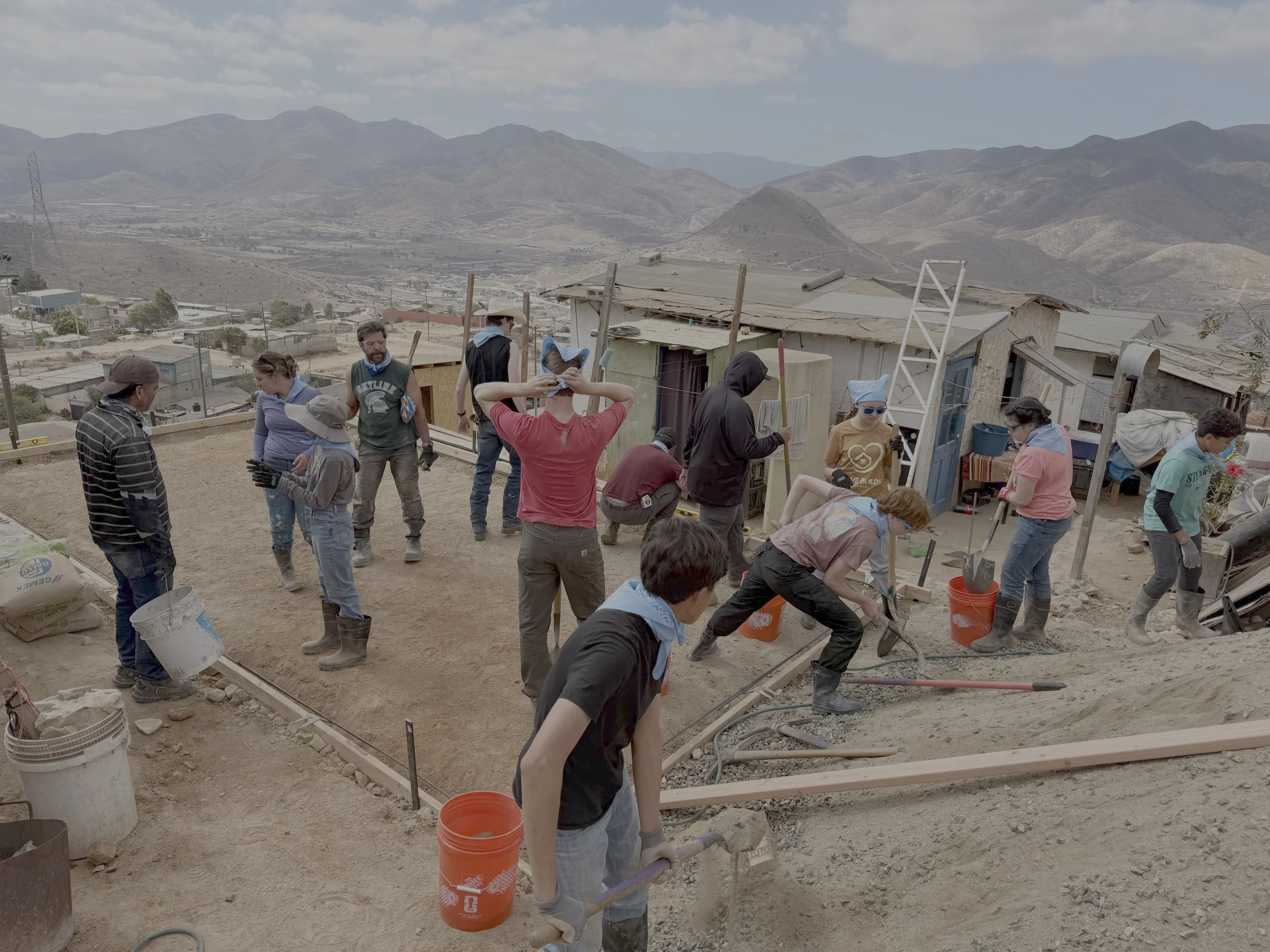
From June 26–July 3, SPC high school and college-age students, along with adult leaders, traveled to Tijuana, Mexico for the TJ2026 Mission Trip. It was a week filled with hard work, new friendships, laughter, prayer, and countless moments that reminded us what can happen when we choose to serve alongside one another.
Rev. Jake Medcalf continued the “Letters to the Churches” series with “Message to Philadelphia,” connecting Jesus’ teaching in Matthew about building on the rock to the faithfulness of the church in Philadelphia in Revelation. Jake explained Philadelphia’s history as a small, resource-limited gateway city and noted it was one of only two churches in Revelation with nothing to correct, enduring as a Christian community for roughly 1,300 years. He highlighted Jesus’ commendations: they had little strength, they kept (guarded and obeyed) God’s word, and they did not deny Jesus’ name despite costly opposition. This sermon challenged listeners to pursue big God-given vision with humility, practice obedience in community and through the Holy Spirit’s transforming work, and consider what cost they would pay to remain faithful.

Before they step into their next chapter, they left a piece of their story behind by signing the pillar in The Box, a reminder that they have helped shape this community and will always be part of it.
We’ve watched them grow in faith, build friendships, serve others, ask hard questions, and discover more of who God created them to be. While their time in Student Ministry may be ending, our prayers for them are not.
Seniors, wherever God leads you next, remember this: you are deeply loved, you belong, and your foundation is in Christ.
Congratulations, Class of 2026. We are so proud of you.
Rev. Jake Medcalf opened with a personal wake-up call from a July 2022 doctor visit where his blood pressure was 180/120 and he was warned he was on pace to die of a heart attack unless he changed his lifestyle. He connected that urgency to Jesus’ message to the church in Sardis in Revelation 3, a wealthy, once-secure city that fell after becoming complacent, and a church with a reputation for being alive but spiritually dead. He emphasized that Jesus’ blunt call was an invitation to repent (metanoia—change) and live: wake up, strengthen what remains through intentional spiritual effort, remember what believers have received and heard, hold it fast, and act with urgency. Jake concluded the message with prayer and communion as a practice of remembering Christ’s body and blood.
Pastor Tyler Easley continued the “Letters to the Churches” series in Revelation by focusing on the fourth letter, Jesus’ message to the church in Thyatira (Revelation 2:18–29). He explained Revelation as a singular vision given to the aged Apostle John on Patmos and cautioned against both ignoring the book and overinterpreting it as a predictive geopolitical roadmap, describing it instead as a symbolic restatement of basic Christian teaching centered on Jesus as the slain-yet-living Lamb who forgives sin and is Lord of all. In the Thyatira passage, Tyler highlighted two themes: Jesus affirmed the church’s love, faith, service, and endurance, and Jesus corrected what needed correction, warning against tolerating sexual immorality and idolatry and urging discernment about cultural influences within personal and church life. He closed by describing the gospel as “regime change” and led the congregation into prayer and communion.
Rev. Kelly Hostetler In week three of the “Letters to the Churches” series, Rev. Kelly Hostetler preached “Message to Pergamum,” outlining the common structure of Jesus’ letters: identifying the speaker, offering encouragement (“I see you”), giving a warning, and calling for action—most often, repentance. She explored repentance as a regular practice of turning toward God, not a one-time event, and connected Jesus’ words to Pergamum with the Old Testament story of Balaam and Balak as a warning against subtle compromise with surrounding culture. Emphasizing that Jesus sees people’s burdens and struggles, she described confession as telling God the truth about what we believe about God, ourselves, and others, which activates repentance and opens the way to forgiveness and freedom. The congregation was invited to write an honest confession on a card and leave it in a basket as an act of release.
In “Message to Smyrna,” Becca Philipsen continued the “Letters to the Churches” series by exploring Revelation’s letter to the small, suffering church in Smyrna, written by the exiled apostle John. Becca described Smyrna as a Roman-loyal port city marked by emperor worship and trade guild pressure that could cost Christians their livelihoods for refusing to declare “Caesar is Lord,” noting Polycarp as a historical example of faithfulness unto death. Becca walked through Jesus’ words as the First and the Last who knows their affliction and poverty yet calls them rich, urging them to be faithful unto death and promising the “crown of life,” explained as the victor’s stephanos. She contrasted suffering from a broken world with suffering from obedience, challenged listeners to identify idols, and shared a personal story of resisting comfort to keep a commitment to serve.
On May 10th, Rev. Jake Medcalf opened with a Mother’s Day story about learning dance steps with his mom and used it to illustrate how someone can “dance the dance” without hearing the music. In the sermon “Message to Ephesus,” from the “Letters to the Churches” series, he taught from Revelation’s letter to the church in Ephesus, explaining John’s exile and the warning that a church can keep doing the right deeds yet lose its lampstand. Jesus commended Ephesus for hard work, perseverance, and rejecting falsehood, but confronted them for forsaking their first love—love for God and for one another. Jake urged listeners to hear the music again by receiving God’s love in quiet, turning off distractions, and repenting now by returning to the practices they did at first, then invited communal confession, worship, and prayer.
Rev. Kelly Hostetler concluded the “Holy Spirit” series by teaching that the Holy Spirit wants to fill believers and work through them to bring God’s kingdom on earth. She opened with Pete Greig’s story of engaging a waiter named Jeremiah who later came to church and gave his life to Christ, illustrating how the Spirit prompts connection when people pay attention. In Acts 3:1–10, she walked through Peter and John’s healing of a man lame from birth at the Beautiful Gate, emphasizing their prayerful, worship-centered rhythms, their intentional attention to the marginalized, and the power of Jesus’ name through the Spirit. She connected the man’s long-term brokenness to personal and communal wounds, highlighted how scarcity can invite Spirit-led creativity, and invited the church into silence, communion, and prayer for healing and restoration.

Rev. Jake Medcalf opened the “Holy Spirit” series with “Pentecost: Now & Today,” recounting Acts 2 as the Spirit’s rushing wind and multilingual witness drew a crowd and Peter, an uneducated Galilean, explained that they were not drunk but witnessing the fulfillment of Joel’s promise through Jesus’ death, resurrection, and the gift of the Spirit. He focused on the phrase “cut to the heart,” describing conviction as the Spirit’s surgical work that wounds in order to heal, calling listeners not to deflect or run but to lean in and ask, “What should we do?” He highlighted Peter’s answer—repent and be baptized, defining repentance as a mind change that reshapes one’s whole lifestyle, and baptism as both a decisive public confession and an ongoing daily dying to the old life and rising to the new. He emphasized the Spirit as a gift for all generations and all who are far off, urged believers to “uncork” the Spirit by living repentantly, and invited the congregation to come forward for prayer for physical, emotional, and spiritual healing and renewed empowerment.
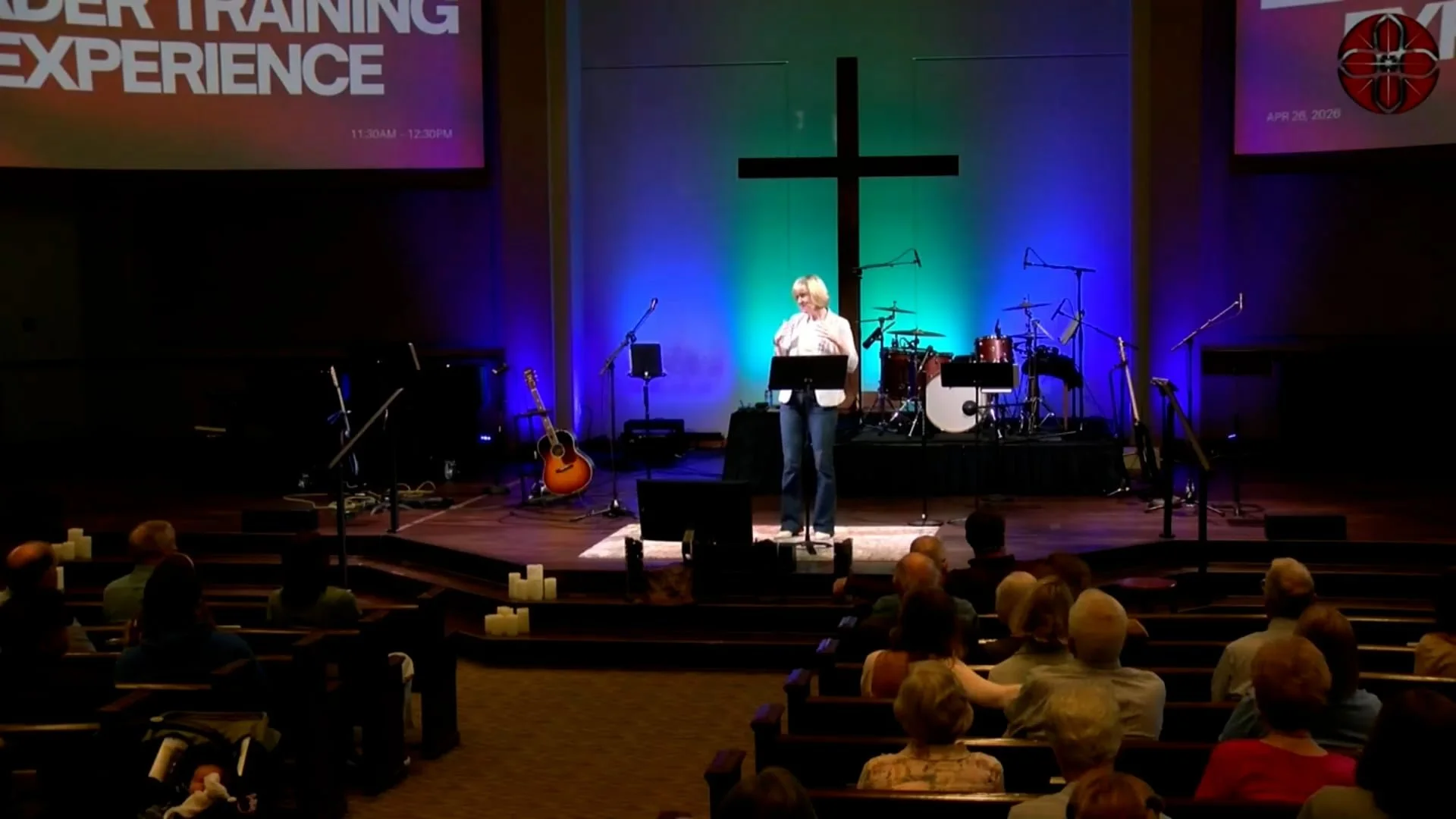
Rev. Kelly Hostetler introduced Vic and Monique Woodward, long-time True Face volunteers and retreat leaders from Burlington, Washington, inviting the congregation to learn about the “True Face Journey,” a nine-month growth group leader training experience starting in the fall, with a follow-up conversation and lunch in room C-201. Monique explained the monthly cohort structure, guided readings and exercises, two retreats (including story-sharing), and an emphasis on slowing down from busyness to explore how God sees us, identity in Christ, and living the gospel in relationships; she notes the program uses resources from multiple ministries, is not a product being sold, and cites growth across about 160 groups in 18 states with many repeat leaders. Vic describes men building trust, commitment, and deep bonds through sharing stories.
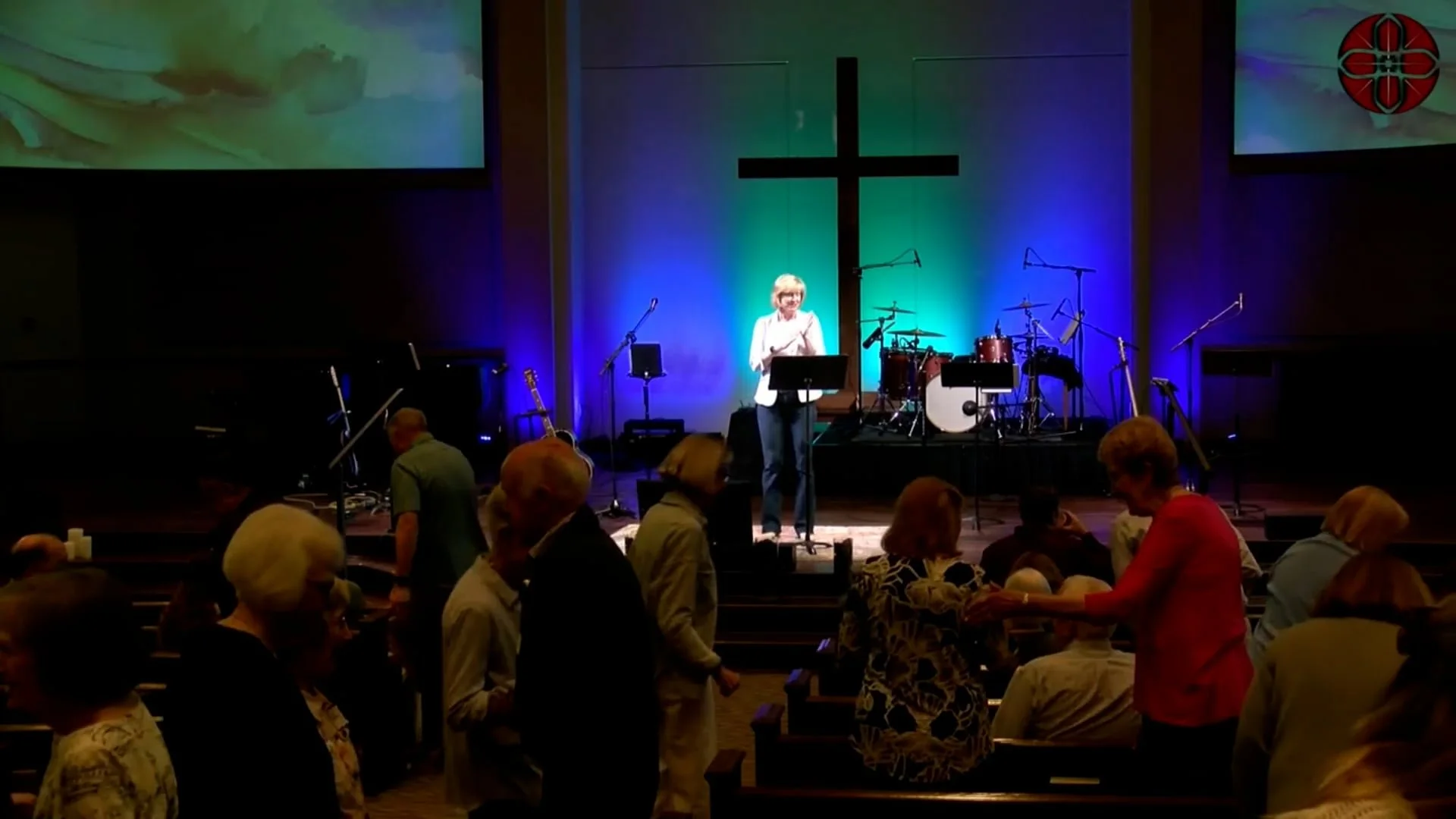
Rev. Kelly Hostetler shared some church-wide updates beyond Sunday worship, the bulletin and website info about deacons and Stephen ministers. Kelly shared some insight on a SPC vision-and-values conversation after worship next Sunday with Jake, with registration on the website under events. Kelly emphasized prayer as essential “fuel” for ministry, inviting the congregation to a nonstop day of prayer this Wednesday (one 10:00 PM slot open) and noting the prayer room is available all week, plus a monthly prayer service on May 6. She also revisits the church’s 10-year transformation goal: 900 people meeting weekly in “growth groups” (transformational cohorts) launching in Fall 2027.

Rev. Jake Medcalf taught from John 7 and Acts 2, beginning with John writing late in life from Ephesus and reflecting on Jesus’ proclamation at the Festival of Tabernacles that anyone who is thirsty should come to him and drink, and that rivers of living water would flow from within those who believe—referring to the Holy Spirit. He connected this promise to Pentecost, when the disciples waited together in Jerusalem and the Spirit came with the sound of a violent wind and tongues of fire, filling everyone present. He emphasized that believers already belong to Jesus and are filled with the Holy Spirit, carrying the same dunamis power seen in Jesus’ works, yet often “cork” that power through a desire for control. He invited the congregation to “uncork” the Spirit, seek openness and availability, and respond by lighting candles and singing “Same Power.”

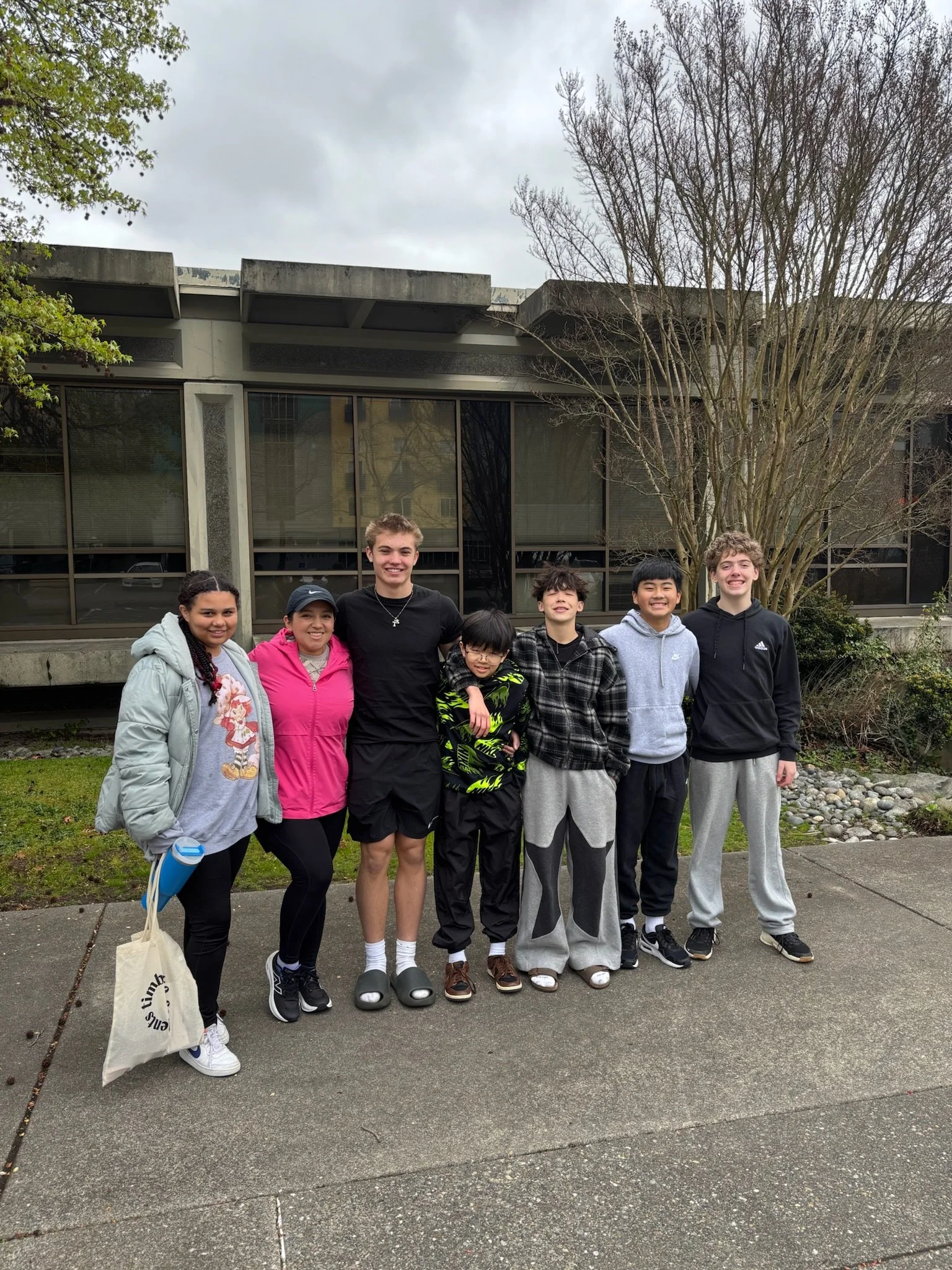
Our Middle School Mission Lock-In was a powerful and unforgettable experience! Five middle school students, alongside a high school leader and three adult leaders, spent the night at Sammamish Presbyterian Church (SPC) and dedicated their time to serving our community. Together, they partnered with The Sophia Way, a women’s homeless shelter in Bellevue, where they sorted donations, hung clothing, packed snacks, organized supplies, and carried totes filled with essential items. The following day, they helped deep-clean the shelter—scrubbing bathrooms, sweeping and mopping floors, cleaning windows and vents, and organizing a pantry to better serve the women.
On April 12, Rev. Jake Medcalf preached from Acts 1:8, emphasizing that believers receive Holy Spirit “dunamis” power to be witnesses locally and to the ends of the earth. He connected this call to the church’s partnerships around the world and described the Spirit’s power as strength, capability, and miraculous capacity available as a gift to all who believe, not only to the original disciples. He addressed the common gap between biblical promise and modern experience, drawing from Tyler Staton’s The Familiar Stranger, and identified three postures toward the Spirit: thirsty, uninformed, and suspicious. Urging the church to “say yes to both,” he taught that faithful discipleship required both biblical/theological grounding and lived experience of the Spirit’s work. The sermon ended with an invitation to prayer and communion.


Small Groups

eNews
